


-

Add: HeBei ShengShi HongBang Cellulose Technology CO.,LTD.
-

Email
13180486930@163.com -

CONTACT US
+86 13180486930
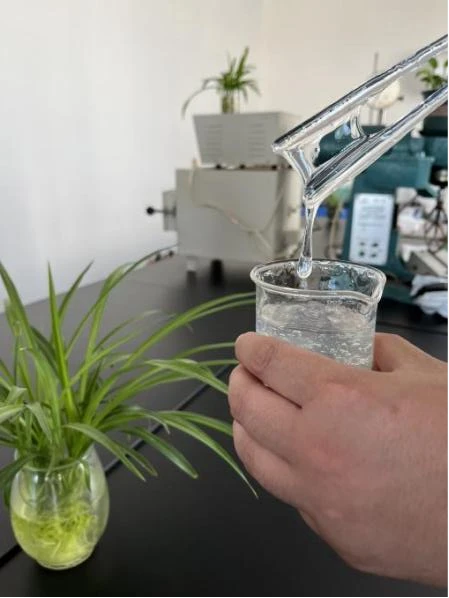
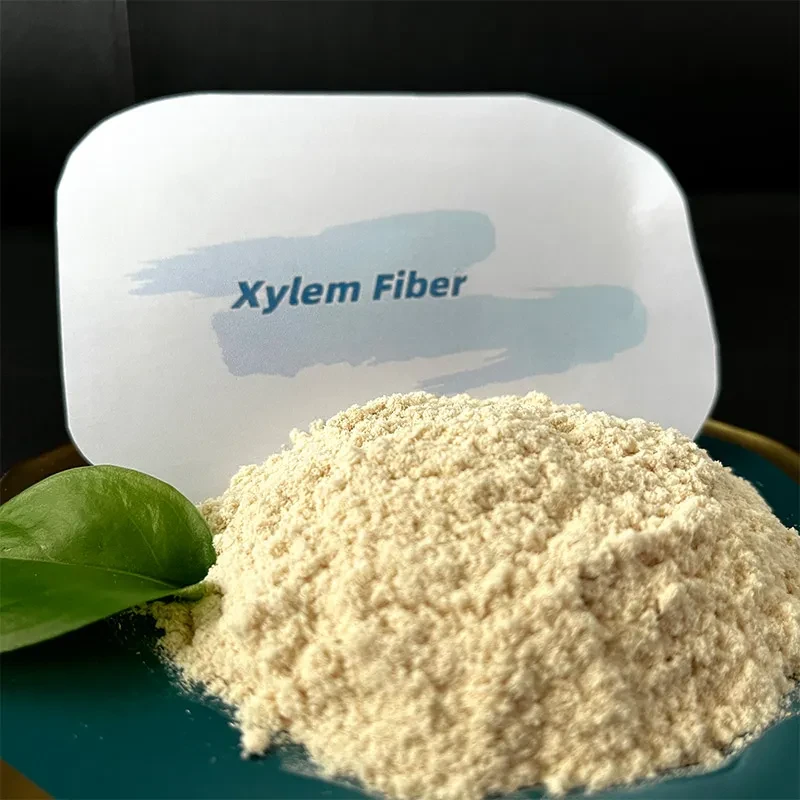


Hydroxypropyl methylcellulose (HPMC), a versatile pharmaceutical excipient, plays a crucial role in the formulation of tablets. Its unique properties not only aid in the manufacturing process but also enhance the quality and efficacy of the final product. As an authoritative entity in the pharmaceutical industry, my aim is to shed light on the significance of HPMC in tablet production, through personal experiences, professional insights, and a genuine understanding of its pivotal role. Tablets remain one of the most preferred dosage forms due to their convenience and the ability to deliver precise dosages. The quest for a successful tablet formulation hinges on the selection of appropriate excipients, among which HPMC stands out due to its multifunctional capabilities. Having spent over a decade in pharmaceutical development, the adoption of HPMC marked a turning point in the way tablet formulations were approached. HPMC is primarily used as a binder, film former, and controlled release agent—functions that are indispensable in tablet formulation. Its molecular structure, characterized by methoxyl and hydroxypropyl groups, allows it to exhibit hydrophilicity and gel-forming properties. This ensures that tablets aren't just mechanically robust but also capable of precise drug release profiles. From an expertise standpoint, one of the key challenges in tablet production is ensuring that tablets disintegrate and dissolve at the desired rate. The gel layer formed by HPMC on contacting aqueous environments effectively modulates drug release. In numerous formulations I've overseen, HPMC has been instrumental in developing sustained-release tablets, ensuring the therapeutic agent is released over an extended period. This not only improves patient compliance by reducing dosing frequency but also enhances the therapeutic effectiveness of the drug. Moreover, HPMC also serves as an excellent film-forming agent. In a project involving enteric-coated tablets, the inherent film-forming capabilities of HPMC were harnessed to ensure the active ingredient was only released in the intestine, bypassing the acidic environment of the stomach. This protective measure helps in preserving the integrity of the drug substance, especially for acid-sensitive compounds. hpmc used in tablet The expertise required in understanding the rheological properties of HPMC solutions is paramount for manufacturing high-quality tablets. Through my professional journey, the methodical optimization of HPMC concentration facilitated the production of tablets with desired mechanical strength and disintegration properties. Such adjustments ensure that the tablets don't break or crumble under pressure, yet dissolve at the appropriate rate once ingested. When formulated correctly, tablets using HPMC have consistently demonstrated high bioavailability. Through various bioequivalence studies, HPMC's role in ensuring consistent plasma concentrations of the drug has been validated. This directly attests to the trustworthiness and reliability of HPMC as a superior pharmaceutical excipient. In a regulated industry like pharmaceuticals, the authoritativeness of excipient selection cannot be overstated. Regulatory bodies such as the US FDA and European Medicines Agency frequently demand excipients with a proven record of safety and efficacy. HPMC, with its extensive clinical use and established safety profile, fulfills this criterion perfectly. In numerous regulatory submissions throughout my career, the inclusion of HPMC has never posed significant challenges, underscoring its acceptance and reliability. Lastly, my experience also highlights the scalability offered by HPMC in tablet manufacturing . As demand increases, the transition from pilot-scale batches to full-scale production remains seamless with HPMC. Its consistent performance across different manufacturing scales ensures reproducibility and uniformity—critical factors that define the quality of pharmaceutical products. In conclusion, Hydroxypropyl methylcellulose is more than just an excipient. It is a cornerstone in the development of effective, reliable, and high-quality tablets. Through its multifunctional properties and reputable track record, HPMC emerges as a vital component in pharmaceutical formulations, driving advancements in drug delivery and therapeutic efficacy. Its use not only embodies expertise and authority but also promises a level of safety and trust that is indispensable in the health sector.
- 40000tons

Production
- 20+years

Experience
- 5000+㎡

Acreage

-
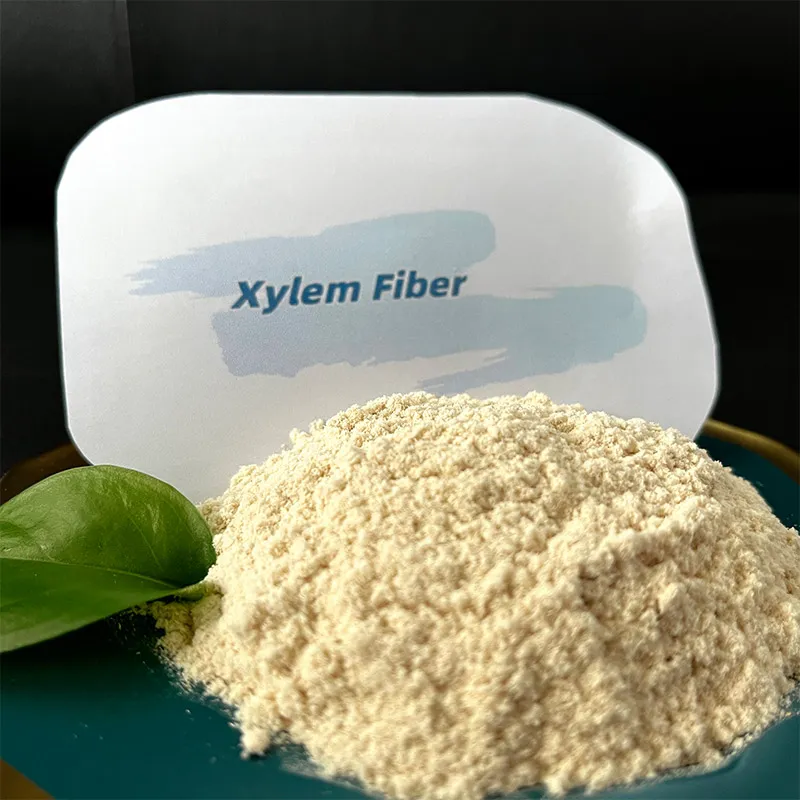
Understanding the properties and applications of HPMC K15M viscosity is critical for industries ranging from pharmaceuticals to construction. Hydroxypropyl methylcellulose (HPMC) is a multifunctional compound used primarily for its thickening and stabilizing properties. The alphanumeric code K15M denotes a particular viscosity grade that plays a significant role in determining its application suitability. When discussing the viscosity of HPMC K15M, we refer to the measure of its resistance to flow. Viscosity impacts the performance of HPMC in various formulations; hence, understanding its breadth can enhance application outcomes. The viscosity of HPMC K15M lies typically between 12,000 to 18,000 mPa.s, measured in a 2% solution at 20°C. This specific viscosity makes it a versatile option for formulations requiring medium to high viscosity levels. In pharmaceutical applications, the HPMC K15M grade finds extensive use in controlled release formulations. It acts as an essential component in hydrophilic matrices designed to extend the release of active pharmaceutical ingredients (APIs). The high viscosity of HPMC K15M provides a protective gel barrier when it comes in contact with gastrointestinal fluids. This gel barrier modulates the diffusion of APIs, thereby achieving a precise drug release profile. The expertise in formulating these controlled release systems requires a detailed understanding of how HPMC's viscosity interacts with other ingredients and its impact on overall pharmacokinetics. Beyond pharmaceuticals, HPMC K15M is pivotal in the construction industry, particularly in tile adhesives and mortars. The compound's viscosity contributes to increased water retention which ensures a longer open time and improves the workability of the mixtures. Experience shows that formulations including HPMC K15M provide superior consistency and adhesive strength. The expertise in balancing viscosity with other mechanical properties can result in end-products that are more durable and efficient. In the realm of food products, HPMC K15M serves as a thickening agent . It enhances the texture and stability of various food items without altering their taste or color. For instance, in gluten-free products, HPMC K15M imparts the necessary dough elasticity, ensuring the product mimics traditional gluten-containing bread or pastries. The authority in food science recognizes the importance of such ingredients in creating innovative and consumer-friendly products. In this context, the trustworthiness of HPMC K15M is underscored by its acceptance by food safety authorities, such as the FDA, recognizing it as safe for consumption. hpmc k15m viscosity Moreover, from a sustainability standpoint, HPMC K15M is derived from cellulose, the most abundant organic polymer on Earth. This aligns with eco-friendly production goals across various industries seeking to diminish their environmental footprint. The utilization of HPMC K15M reflects a knowledgeable approach to integrating green chemistry principles in commercial manufacturing processes, further establishing its role in sustainable product development. Finally, the trustworthiness of this compound can be best understood through its consistent performance and regulatory compliance. Industries leveraging HPMC K15M in their formulations benefit from its predictable behavior across different environments and its conformance to stringent quality standards. To maximize HPMC K15M’s potential, industries continue to innovate in formulation techniques. Advanced research focuses on how modifying HPMC’s chemical structure could lead to even more versatile applications and improved product qualities. Yet, as it stands, the benefits provided by the unique viscosity profile of HPMC K15M remain a cornerstone in both high-performance and routine applications. Thus, the exploration of HPMC K15M's viscosity is not merely a technical exercise but a pathway to improved product performance and innovation across multiple industries. Whether enhancing drug delivery mechanisms, improving construction materials, refining food textures, or driving eco-friendly practices, HPMC K15M stands as a testament to the intersection of science and industrial application.
-

Rubber anti-tack powder plays a critical role in the rubber manufacturing industry . Its application ensures that rubber components do not stick together during processing, thereby enhancing production efficiency and product quality. After years of working directly with industrial manufacturers and conducting thorough research, I’ve gained substantial insights into how to optimize the use of rubber anti-tack powder, making this information highly authoritative for businesses seeking reliable solutions in their manufacturing processes. Rubber components inherently exhibit tackiness due to the presence of polyisobutylene and other polymers. Tackiness presents a challenge in production environments where rubber sheets or molded items need to be separated smoothly. The use of anti-tack powdered agents offers a pragmatic and highly efficient solution to this problem. My expertise underscores that choosing the right anti-tack powder is not just about preventing adhesion but also about enhancing the overall efficiency and sustainability of the manufacturing process. To achieve optimal results with rubber anti-tack powder, it's crucial to consider the specific properties of the rubber material in use as well as the conditions of the manufacturing environment. Different powders have varying levels of compatibility with different rubber compounds, which can directly impact product performance and integrity. In our extensive experience, talc-based powders have shown excellent results in most general-purpose applications due to their fine particle size and thermal stability. However, silica and calcium carbonate-based powders also offer significant advantages, especially in high-temperature applications. Adopting the appropriate application techniques is another cornerstone of maximizing the benefits of anti-tack powders. Automated powder coating systems can provide uniform application, reducing waste and ensuring even distribution, which manual application methods often fail to achieve. Proper application not only enhances the efficiency of the separation process but also minimizes potential inconsistencies in the end product quality. Moreover, integrating rubber anti-tack agents into your production line makes a notable difference in operational throughput. By preventing the adhesion of raw rubber sheets, production downtime is minimized, leading to consistent output levels. This is particularly beneficial in large-scale operations where prolonged sticking can impede production flow and affect overall profitability. rubber anti tack powder From an environmental perspective, the right selection of rubber anti-tack powder aligns with sustainability goals. Many modern anti-tack agents are formulated to be eco-friendly, reducing the environmental impact of manufacturing waste. When consulting with suppliers, prioritize products that are biodegradable or made from natural sources to fulfill corporate social responsibility objectives without compromising performance. Trustworthiness and reliability of suppliers are also key as these determine the quality and effectiveness of anti-tack powders. Establishing partnerships with reputable suppliers ensures a consistent supply of high-grade products capable of meeting the rigorous demands of industrial production processes. It's essential to scrutinize supplier certifications, quality assurance protocols, and client testimonials to validate credibility and performance standards. The seal of expertise in using rubber anti-tack powders is enhanced by leveraging research and development within your operations. Encouraging a culture of continuous improvement allows manufacturers to stay abreast of technological advancements and innovative solutions that can revolutionize the use of anti-tack agents. Participating in industry forums, workshops, and webinars can provide valuable insights and facilitate knowledge-sharing among peers. In conclusion, the strategic application of rubber anti-tack powder is a sophisticated process that requires a comprehensive understanding of material compatibility, precise application techniques, and industry trends. Equipped with the right insights and expertise, manufacturers can significantly enhance their production capabilities and product calibre, thereby securing a competitive edge in the marketplace.
advantages
-

200000 Viscosities
Excellent product
We can produce pure products up to 200,000 viscosities
-

40000 tons
High yield
We don’t stop production all year round, and the annual output can reach 40,000 tons
-

24 hours
Quality service
We provide 24-hours online reception service, welcome to consult at any time
———— Inquiry Form
Schedule A services
-
 is_hpmc_water_soluble
Oct . 25, 2025
Cellulose ether HPMC (Hydroxypropyl Methylcellulose) has emerged as a significant player in the real -
 recron_polypropylene_fibre
Oct . 25, 2025
Raw Materials for Synthetic Fibers An Overview Synthetic fibers have become an integral part of our -
 hpmc_e50
Oct . 25, 2025
Hydroxypropyl methylcellulose (HPMC) is a versatile polymer widely used in the pharmaceutical, food,


